Tetemas Ethnomedicine in Pangkalan Kerinci, Indonesia: Reconstruction and Application for Science Education
Keywords:
ethnomedicine, tetemas , curcuma domestica, traditional medicine, science educationAbstract
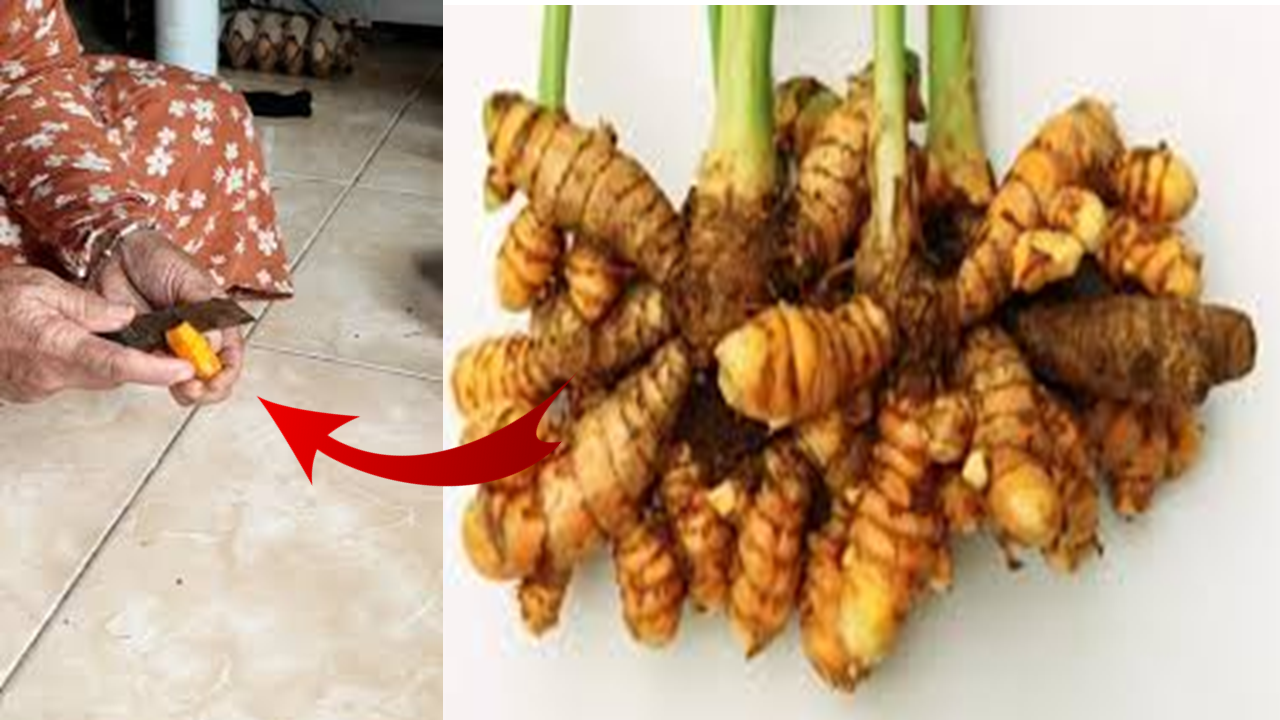
Ethnomedicine represents a critical component of indigenous knowledge systems, combining botanical, spiritual, and cultural dimensions to address health needs within local communities. In Pangkalan Kerinci, Pelalawan Regency, Riau, the practice of tetemas, which primarily utilises Curcuma domestica, serves as a traditional therapeutic approach for mild illnesses such as fever, flu, and dizziness. The study aimed to analyse and reconstruct community-based knowledge of tetemas into a scientifically interpretable framework, highlighting its potential for both health application and educational integration. This research employed a qualitative case study design, including semi-structured interviews, participatory observation, and visual documentation, to capture the procedural, botanical, and socio-cultural aspects of tetemas. Two key informants, including a customary elder and a community member, provided detailed insights into treatment protocols, ritual practices, and perceived outcomes. Data analysis followed the Miles and Huberman interactive model, encompassing data reduction, display, and interpretation, facilitating reconstruction of indigenous knowledge into scientific terms. The results indicate that tetemas combines turmeric-based remedies with ritualised procedures and psychosocial reinforcement, resulting in consistent perceptions of therapeutic efficacy across age groups. Observations revealed structured treatment sequences, culturally codified rules, and adaptive practices in response to resource availability, suggesting that traditional knowledge is empirically grounded and dynamically maintained. The study further demonstrates that tetemas can serve as a contextualised resource for natural science education, enabling learners to understand plant morphology, bioactive compounds, and structure-function relationships in Plantae while bridging cultural and scientific literacy. In conclusion, tetemas represents a resilient and scientifically relevant ethnomedicinal system with implications for health practice and pedagogy. The research contributes to the documentation and interpretation of indigenous knowledge, offering a model for integrating traditional medicine into educational frameworks and supporting future investigations on pharmacological validation and cross-cultural application.